


For decades, large corporations were seen as the undisputed leaders of innovation. With massive budgets, global reach, and armies of employees, they appeared perfectly positioned to dominate new ideas and emerging markets. Today, that assumption is rapidly breaking down.
Across industries, small businesses are consistently out-innovating big corporations launching faster, adapting quicker, and responding more precisely to customer needs. The reason isn’t access to capital or cutting-edge technology. It comes down to three decisive advantages: speed, culture, and customer focus.
In an era defined by rapid change and economic uncertainty, these traits are proving more valuable than scale alone.
The Innovation Gap: Why Size Has Become a Liability
Large organizations still have resources, but those resources often come with friction:
- Long approval chains slow execution
- Risk-averse leadership discourages experimentation
- Rigid structures resist change
- Innovation becomes siloed instead of integrated
Small businesses, on the other hand, operate without many of these constraints. Their ability to move quickly and stay close to customers gives them an edge that money alone can’t buy.
Speed: Small Businesses Move While Big Companies Debate
Speed is one of the most powerful competitive advantages in modern business.
How Speed Drives Innovation
Small businesses can:
- Test ideas quickly without layers of approval
- Launch minimum viable products in weeks, not years
- Pivot strategies based on real-time feedback
- Make decisions in days instead of quarters
In contrast, big corporations often require consensus across departments, committees, and leadership teams. By the time a decision is approved, the market has often moved on.
Why Speed Matters More Than Perfection
Innovation today rewards fast learning, not flawless execution. Small businesses iterate in public, adjust continuously, and improve with every customer interaction. This learning velocity allows them to outperform slower, more bureaucratic competitors even with fewer resources.
Culture: Innovation Thrives Where Ownership Exists
Culture is where small businesses quietly dominate.
The Cultural Advantage of Small Teams
In smaller organizations:
- Employees see the direct impact of their work
- Ideas flow horizontally, not just top-down
- Experimentation is encouraged, not punished
- Accountability is clear and personal
When teams feel ownership, innovation becomes part of daily operations rather than a special initiative.
Why Corporate Culture Often Stalls Innovation
Large corporations frequently separate “innovation” from core business functions creating labs, task forces, or innovation hubs disconnected from customers and frontline teams. While well-intentioned, this separation slows progress and weakens accountability.
Small businesses don’t have that luxury. Innovation is survival, not a side project.
Customer Focus: Proximity Creates Better Ideas
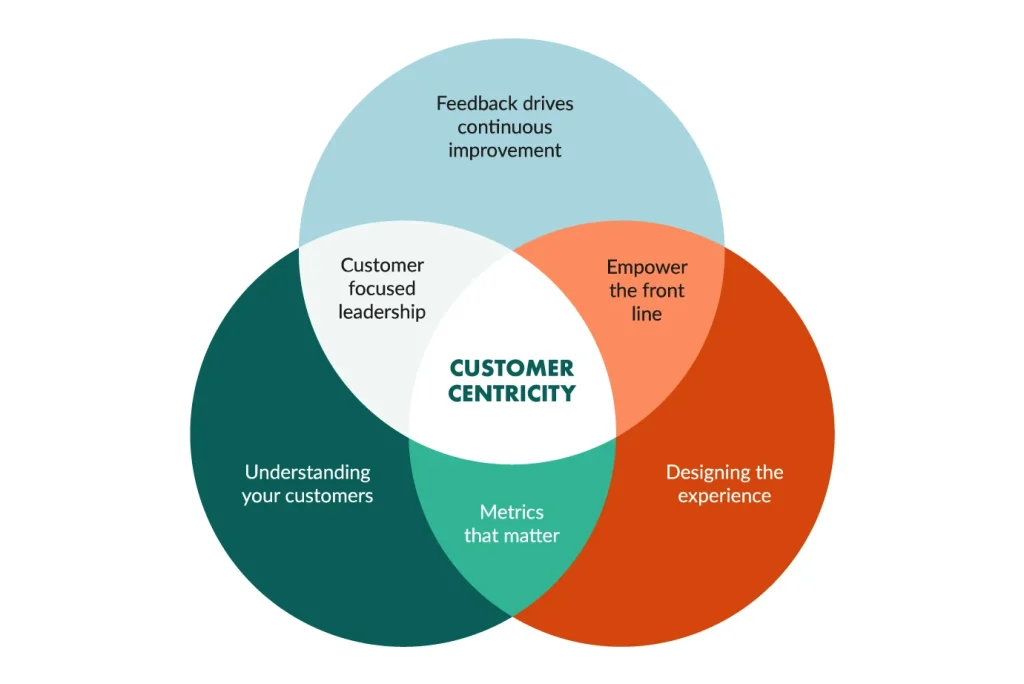
Perhaps the most decisive advantage small businesses have is closeness to the customer.
How Customer Proximity Fuels Innovation
Small business owners and teams often:
- Speak directly with customers daily
- Hear complaints, requests, and feedback unfiltered
- Adjust offerings immediately based on real needs
- Build solutions around specific pain points
This direct feedback loop allows innovation to be demand-driven, not assumption-driven.
Big Corporations and the Distance Problem
Large organizations rely heavily on surveys, reports, and aggregated data. While valuable, these tools often delay insights and strip away nuance. Innovation becomes reactive rather than intuitive.
Small businesses don’t need market research to know what’s broken their customers tell them directly.
Technology Has Leveled the Playing Field
One reason small businesses can out-innovate today is access to powerful, affordable tools.
Cloud platforms, no-code solutions, AI-powered software, and digital marketing tools allow small teams to:
- Build products faster
- Automate operations
- Compete globally
- Scale selectively without massive investment
What once required enterprise budgets is now available on monthly subscriptions further reducing the advantage of size.
Innovation Is Now About Adaptability, Not Scale
In fast-changing markets, adaptability consistently beats scale.
Small businesses excel because they can:
- Respond immediately to economic shifts
- Customize offerings for niche markets
- Experiment without risking entire organizations
- Evolve culture and strategy in real time
Large corporations often struggle because their systems are optimized for efficiency at scale—not flexibility.
Real-World Examples of Small Business Innovation
Across industries, small businesses are leading innovation by:
- Creating hyper-targeted digital products for niche audiences
- Delivering personalized services at scale using automation
- Building community-driven brands with loyal followings
- Outpacing incumbents in customer experience and responsiveness
These businesses don’t try to outspend large competitors. They out-think and out-execute them.
What Big Corporations Can Learn from Small Businesses
To compete in today’s environment, large organizations must adopt lessons from smaller, more agile competitors:
- Empower teams with real decision-making authority
- Reduce approval layers that slow innovation
- Bring leadership closer to customers
- Reward experimentation and learning not just outcomes
- Focus on speed and iteration over perfection
Without cultural and structural change, size becomes a disadvantage rather than a strength.
Final Thoughts: Innovation Belongs to the Agile
The most prominent companies no longer own innovation; it belongs to the most responsive ones.
Small businesses are out-innovating big corporations because they move faster, build stronger cultures, and stay deeply connected to their customers. In a business landscape shaped by rapid change, these qualities matter more than scale, budgets, or legacy.
The future of innovation isn’t about being bigger.
It’s about being faster, closer, and more human.